What It Is For
The Toe Sit is a short, intense stretch for the sole of the foot and the underside of the toes. From a kneeling position the toes are tucked under, and the hips lower towards the heels, so that body weight bends the toe joints back. One Yin Yoga studio describes it as among the more intense postures in that practice, despite its simple look.[1]
It gives direct attention to a part of the body that most stretching routines leave alone. Swimming writer Susan Dawson-Cook includes it in a set of poses for swimmers, describing a stretch through the plantar fascia and the front of the thigh, and notes its relevance to the flexed foot used in breaststroke.[2]
Because the sensation can build quickly, the time spent in the pose is a personal matter. Beginners may place a folded blanket or block behind the thighs, and the pose can be left at any moment.[2]
How to Do It
A strong stretch for the soles of your feet and your toes. Kneel, tuck your toes under, and sit back towards your heels, with your hands down for support if you need them. Come up as soon as it is enough. You should feel an intense stretch along the bottom of your feet.
- Tuck your toes under
- Sit back toward the heels
- Come up when it is enough
Pad your knees with a folded towel or cushion. Skip it if kneeling hurts.
How It Got Its Name
Toe Sit is a plain description, used by Yin teachers among others.[1] Toe Squat is a common alternative, even though the position is a kneel and not a squat.[2] No classical Sanskrit name was found for it. The Japanese word kiza names a very similar position, and its writing in Japanese has changed over time: historically it could refer to the older kneeling posture that later became seiza.[6][7] The origin of the English names is not documented.
History
No single inventor is recorded, and no first description of the Toe Sit as a stretch was found. No source consulted traces it to a named pre-modern yoga text. It should not be assumed to be ancient simply because it looks like a basic kneeling pose.
The clearest historical parallel lies in Japan. In kiza the person sits on the heels with the balls of the feet on the floor and the toes bent forward, and kiza is the position passed through on the way into seiza, the formal kneeling posture.[7] Seiza became the expected way of sitting at formal occasions under the Tokugawa shoguns, and spread more widely from about the turn of the 18th century.[6][7] Kiza has practical uses: some iaido schools rise from it, and people use it to restore circulation when their legs go numb in seiza.[7][6] It was a way of sitting, not a stretching exercise, and no evidence was found that it influenced the yoga pose.
The modern history belongs to Yin Yoga, a slow floor practice that martial artist Paulie Zink introduced to North America in the late 1970s and that Paul Grilley and Sarah Powers developed in later decades.[8] The Toe Sit became part of the Yin repertoire, usually held for far less time than most Yin poses: one studio suggests a minute for beginners, building towards three.[1] When it entered that practice, and through whom, is not documented.
Muscles and Tendons
The main structure involved is the plantar fascia, a thick sheet of connective tissue running from the heel bone to the bases of the toes, where it blends with the sheaths of the flexor tendons.[3] Tucking the toes wraps it around the heads of the metatarsal bones, which tightens it and raises the arch. This is the windlass mechanism, and it works without muscular effort.[4][3] Sitting back then adds body weight to that tension.
The toes are bent back at the metatarsophalangeal joints, the knuckles at the ball of the foot.[5] The short muscles of the sole cross these joints and are lengthened. The long toe flexors also cross them, but they begin in the calf and pass behind the ankle. As the heel lifts and the ankle points in this position, they have slack at that end, so they are stretched less than in a standing calf stretch. The calf and the Achilles tendon are not stretched in this position for the same reason.
The knees bend fully, which lengthens the quadriceps, particularly when the hips sit right back.[2] The trunk muscles hold the body upright, and leaning forward onto the hands removes some of the load from the feet. Some Yin teachers go further and describe effects along a line of fascia up the back of the body, and on the meridians of traditional Chinese medicine.[1] These are ideas from within the tradition, not measured findings.
Stretched
- Short toe flexors
- Flexor digitorum brevis and flexor hallucis brevis, along the sole of the foot
- Long toe flexors
- Their tendons run under the foot and are drawn taut at the toes, though less so because the ankle stays pointed
- Quadriceps
- Lengthened at the front of the thigh as the knee bends fully
Working
- Back extensors and abdominals
- Hold the trunk upright over the heels
- Hip and thigh muscles
- Control how much body weight reaches the feet
Tendons and Fascia
- Plantar fascia
- The thick band from heel to toes, tightened by the bent toes
- Flexor tendon sheaths
- The plantar fascia merges with these at the toes
- Plantar plates and joint capsules
- The undersides of the toe joints are under tension
What Research Has Looked At
No study of the Toe Sit itself was found. The basic mechanics come from John Hicks, an orthopaedic surgeon in Birmingham, who in 1954 showed that bending the big toe back raised the arch in living and cadaver feet, and that the effect nearly disappeared when the plantar fascia was cut.[4][10] He compared the fascia to a cable winding around a drum, with the metatarsal head as the drum, which gave the mechanism its name.[4]
A 2003 randomised trial led by Benedict DiGiovanni compared two home stretches in 101 adults with long-standing heel pain. At eight weeks the group doing a seated plantar fascia stretch, pulling the toes back by hand, reported less pain on some measures than the group doing a standing Achilles stretch.[9] The study did not test kneeling or weight-bearing stretches of the toes.
Where It Is Used Today
The pose is taught in Yin classes, and one studio suggests it as part of a warm-up, paired with a shoulder stretch for the arms.[1] Dawson-Cook recommends it to swimmers, and warns against it for people with a knee injury or a knee or hip replacement.[2]
The toe-bending idea is also used outside yoga. Clinicians teach a seated stretch in which a person pulls the toes back by hand to stretch the plantar fascia, recreating the windlass action without body weight.[9] That is a different and gentler exercise than the Toe Sit, and it is unwise to assume that findings about one apply to the other.
Variations and Related Moves
The pose is made gentler by keeping the hands on the floor or a low block, which takes weight off the feet, or by placing a cushion between the thighs and calves. The move becomes more intense by holding it longer or sitting fully upright.[2][1]
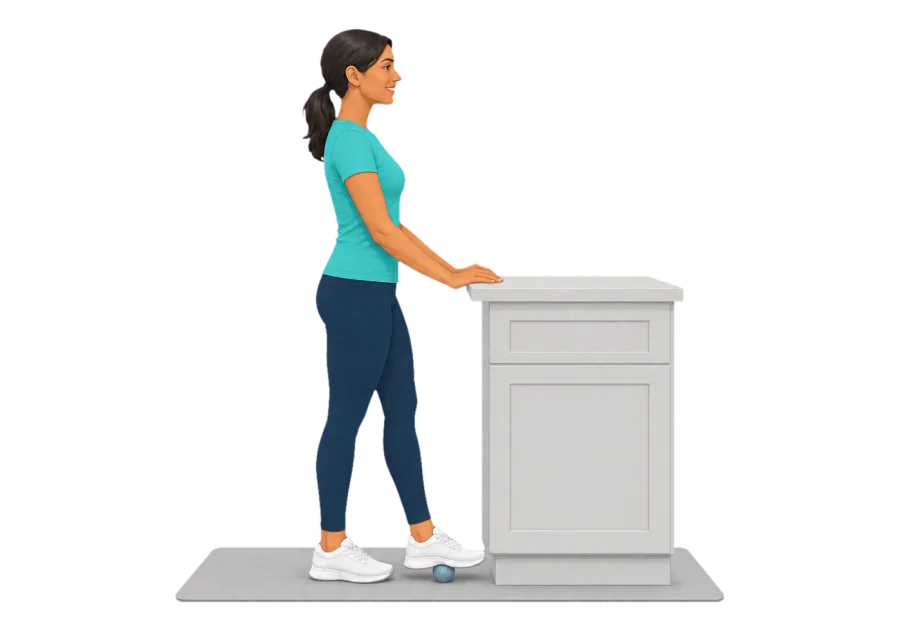
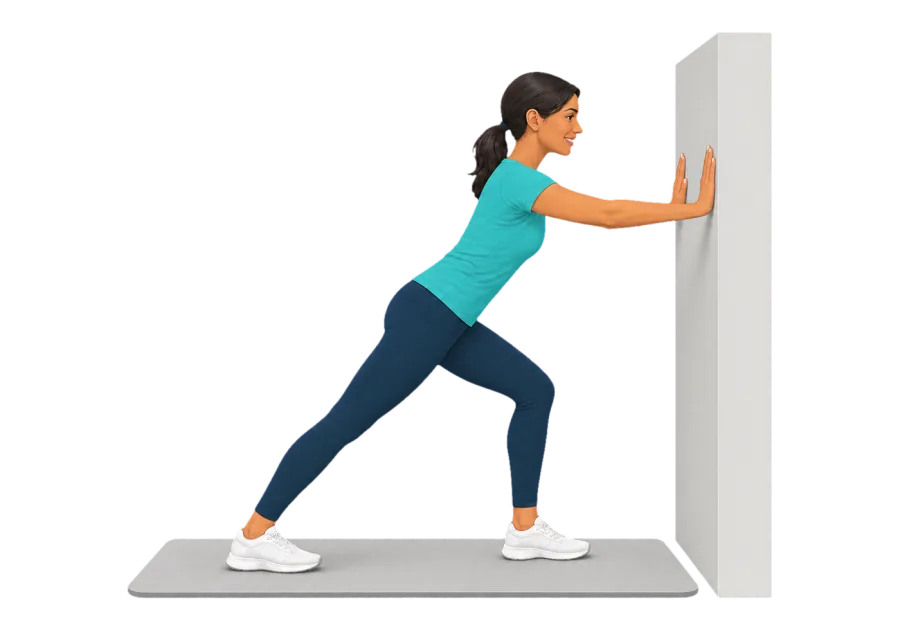
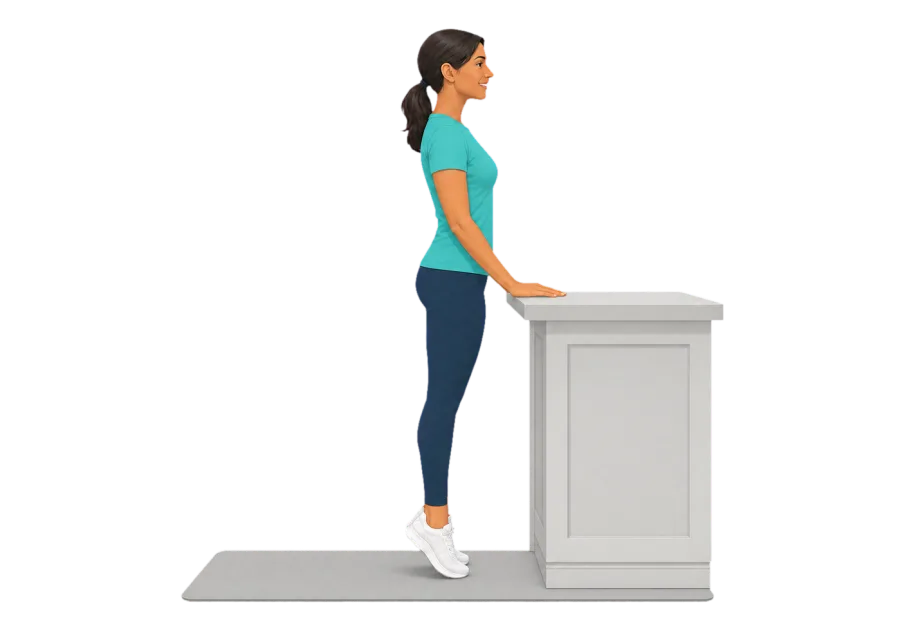
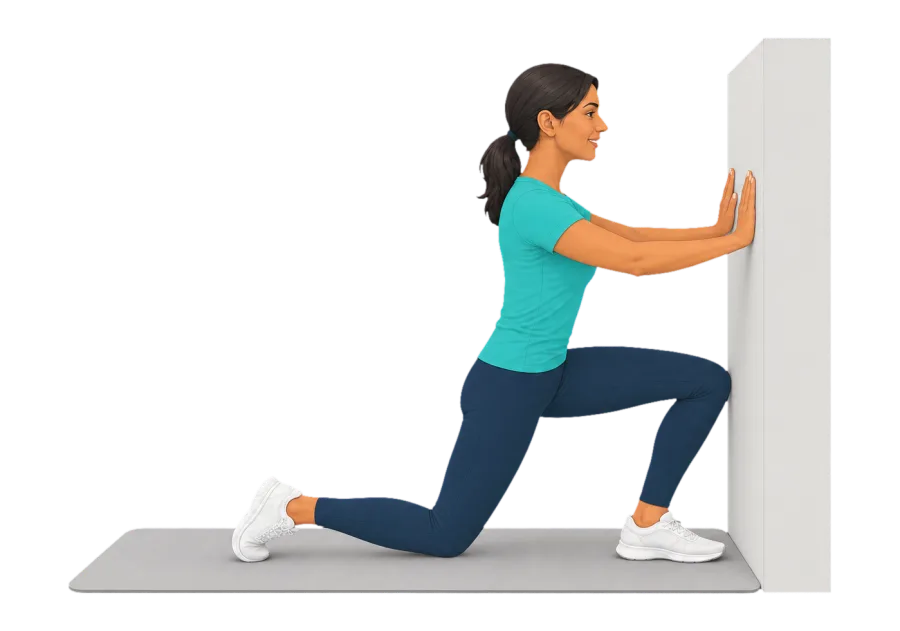
Plain kneeling with the tops of the feet on the floor stretches the shins and ankles instead, and makes a natural counter-stretch. Rolling the sole over a ball works the same region by direct pressure, and standing calf stretches reach the tissues behind the ankle that this pose leaves slack.
See Also
Sources
- Toe Sit – Yin (opens in a new tab). Byron Yoga Centre, 2017.
- Three Yoga Poses for a Better Kick (opens in a new tab). U.S. Masters Swimming, 2018.
- Plantar fascia (opens in a new tab). Wikipedia.
- A Closer Look At The Historic Description Of The Windlass Mechanism (opens in a new tab). Podiatry Today, HMP Global, 2021.
- Metatarsophalangeal joints (opens in a new tab). Wikipedia.
- “Seiza” and Other Japanese Ways of Sitting (opens in a new tab). Nippon.com.
- Seiza (opens in a new tab). Wikipedia.
- Yin Yoga (opens in a new tab). Wikipedia.
- Tissue-specific plantar fascia-stretching exercise enhances outcomes in patients with chronic heel pain. A prospective, randomized study (opens in a new tab). Journal of Bone and Joint Surgery, 2003.
- The mechanics of the foot. II. The plantar aponeurosis and the arch (opens in a new tab). Journal of Anatomy, 1954.
Further Reading
- Relieve Your Feet: Yoga Practices for Plantar Fasciitis (opens in a new tab). Yoga International.
- Plantar Fascia Specific Stretch (opens in a new tab). FootEducation.
General information about this move, not medical advice. Stop if something hurts, and read our Safety page before you start. If you have a health condition, ask your doctor or physiotherapist first.